
- Breast cancer
- Ovarian cancer
- Pancreatic cancer
- Prostate cancer
- Thyroid cancer
- Uterine cancer (uterus)
Two factors play a role in the decline of iodine in our bodies.
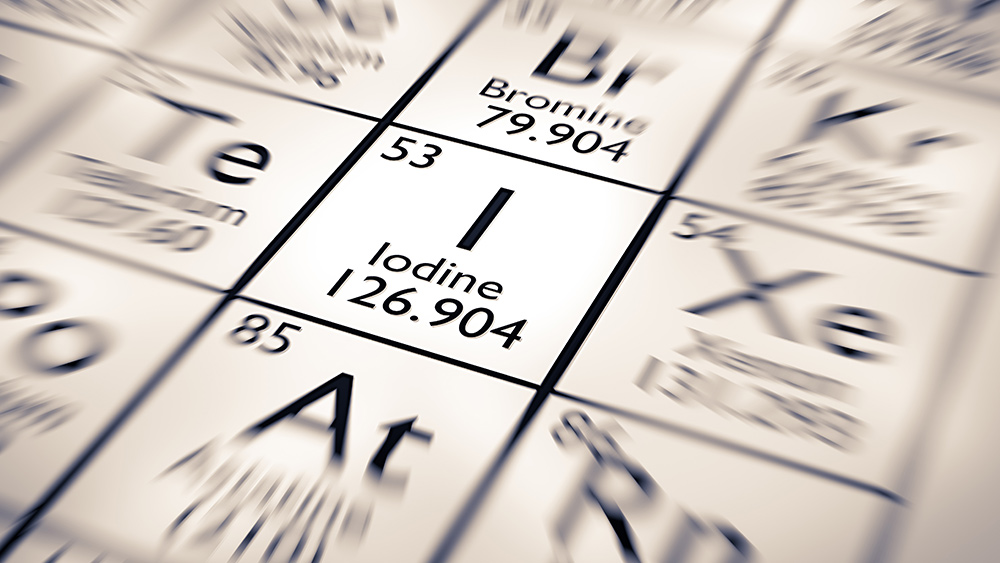
One, it has to do with the reduced dietary intake of iodine. Iodized salt is not a good way to absorb iodine as most of the iodine over time evaporates from the salt. Two, iodine is a member of a group of elements called the halogen family in the periodic table of elements. The other members are fluoride, bromide, and chlorine. The body cannot easily tell these other three chemicals apart from iodine and this compromises iodine sufficiency. So, when fluoride is added to municipal water systems, this affects our iodine levels. Other sources of exposure to mercury and candida (yeast) can affect the body’s iodine levels. Radioactive iodine is harmful and the author explains how. (Note: The Fukushima meltdown harms all of us including sea life, releasing radioactive iodine.) The history of iodine as a medicine is covered by Dr. Sircus in this book; and apparently, it has a long history. It has therapeutic benefits especially when used in conjunction with magnesium chloride, sodium bicarbonate, and selenium. It was used before the onset of vaccines, psychiatric medicines, Statin drugs, and antibiotics. Dr. Sircus discusses the positive use of iodine in place of antibiotics, as iodine will not harm the bacterial flora (or create antibiotic resistant bacterial strains) in the body whereas antibiotics do. He also recommends the use of iodine instead of vaccines that have harmful adjuvants/additives. Iodine can counteract bacteria, molds, yeasts, protozoa and a number of viruses. Iodine is able to penetrate the cellular walls of micro-organisms including bio-films (which can resist antibiotics or antibiotics are not able to penetrate). Before anti-fungal drugs, iodine was the standard treatment for yeasts conditions. In this informative book, iodine has a number of functions in our bodies. They are: One, iodine is needed for oxygen based metabolism. When the oxygen levels in the cells drops below 60%, the respiration process of making energy changes into fermentation and this leads to developing cancer cells (besides exposure to toxins). Two, iodine plays a role in producing red blood cells. Three, five levels of the thyroid hormone pathways are covered, affecting the thyroid, liver, bloodstream, cell receptors, and metabolism. Four, pH (acid/alkaline) levels need to be in the right range for iodine absorption. When the pH is off, the author explains what happens in our bodies. Both oxygen and iodine are needed to fight cancer. Cancer does not thrive in the presence of oxygen. Yeasts, mold, and fungus live in an anaerobic (no oxygen) environment. Five, iodine goes after the free radicals in human blood cells. Iodine as a medicine plays a number of roles in the body. Below is a listing: It is used for wound healing, bedsores, inflammatory and traumatic pain High dosages of iodine can reverse certain diseases, including heart disease Iodine decreases insulin needs in diabetics Iodine can destroy pathogens, molds, fungi, parasites, and malaria Iodine can make all of us smarter There are other benefits What are some of the symptoms of an underfunctioning thyroid?- anemia
- constipation
- depression
- infertility
- memory loss
- migraines
- poor vision
- repeated infections
- rheumatic pain
- skin problems
- cold hands and feet
- constipation
- depression
- edema
- headaches
- muscle cramps
- myalgia (muscle pain)
- poor memory
- weight gain
- others
- aching joints
- bloating
- fluid retention
- high cholesterol
- high homocysteine levels (factor in heart disease)
- sensitivity to cold
- weight gain
- other symptoms are listed
- Other interesting points that the author makes includes:
- autism issues
- birth control issues
- breast cancer and mammogram testing issues
- heavy metals’ impact on our cellular enzymes
- help with ovarian cysts
- mercury can increase the excretion of magnesium and calcium from the kidneys as well as poisons the digestive tract and the nervous system
- mercury in vaccines and the harm it causes in children
- MRSA (Methicillin-Resistant Stephylococcus Aureas)
- presence of mercury in cancer cells
- role of antibiotics in autism and other health conditions/diseases
- role of the environment on our health
- role of fungi in type 1 diabetes
- presence of pollutants in our newborn babies (Report from ERG-Environmental Working Group)
- selenium deficiency role on the estrogen/progesterone balance
- use of antibiotics for ear infections in children
- use of iodine for syphilis
- using iodine to treat pertussis and herpes virus
- women with low levels of thyroid hormones have an increased risk of having children developing autism
Iodine: Bringing Back the Universal Medicine
Nutricost N-Acetyl L-Cysteine (NAC) 600mg, 180 Capsules – Non-GMO, Gluten Free

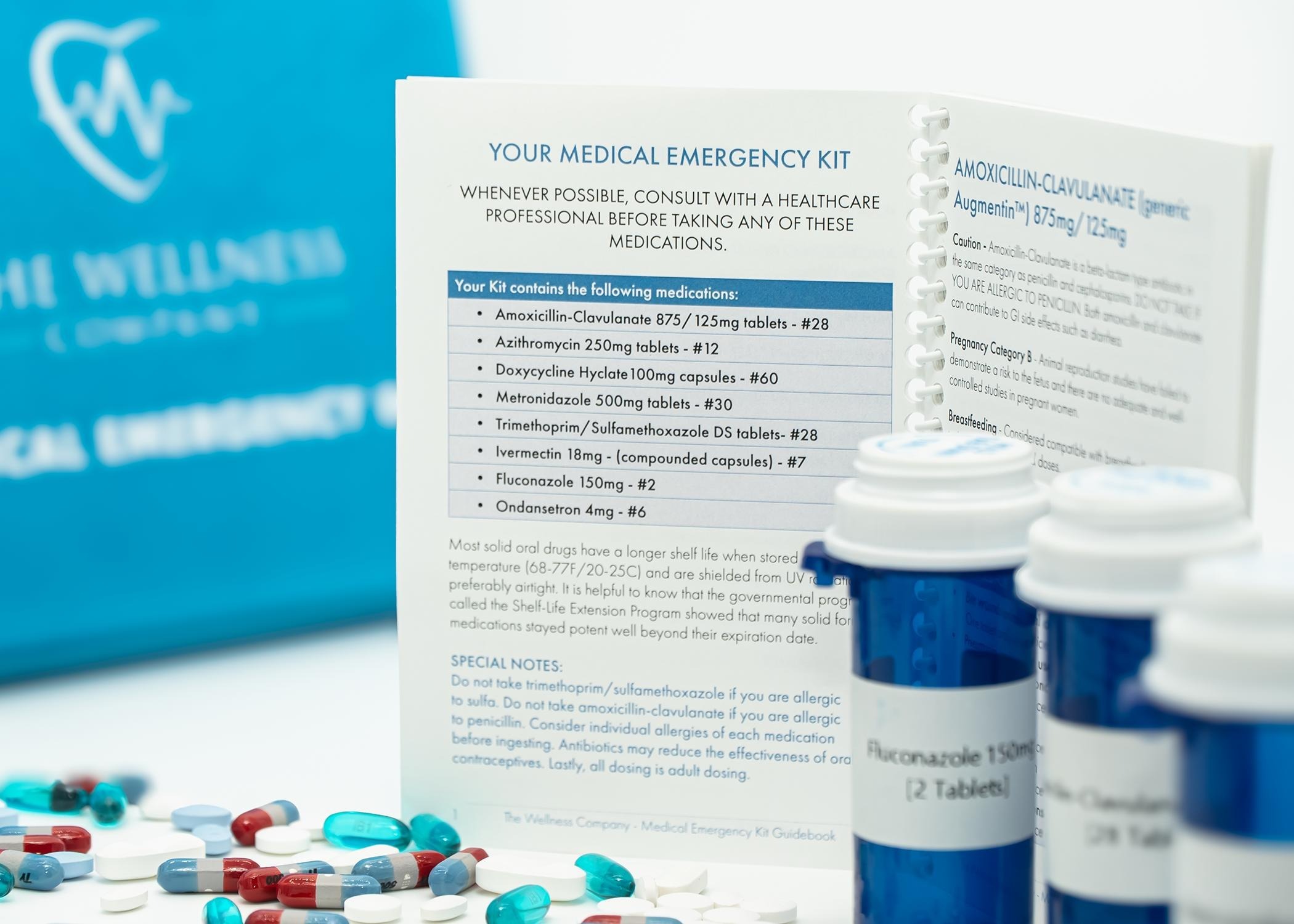 EMERGENCY MED KIT
https://www.twc.health/?ref=W8tUWkoSrKkC&utm_medium=affiliate
EMERGENCY MED KIT
https://www.twc.health/?ref=W8tUWkoSrKkC&utm_medium=affiliate

 Dr. Eddy Bettermann MD