
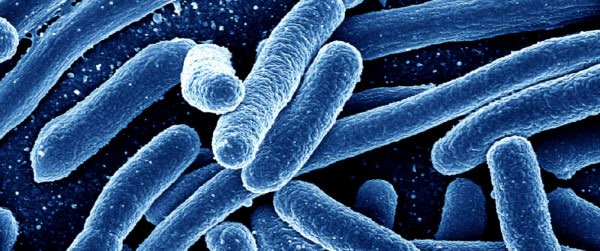
 Antibiotic-resistant “superbugs” are on the rise globally, and are now killing more people every year than HIV/AIDS or malaria.
Now one of the leading causes of death in America, superbugs have captured the attention of scientists who say they have no idea what to do about them, even though there are natural solutions that the establishment ignores.
(Related: Check out our recent coverage about how chlorine dioxide is a powerful remedy against MRSA and other hospital superbugs.)
“That resistance out there is actually now one of the leading causes of death in the world,” says Dr. Chris Murray, director of the Institute for Health Metrics and Evaluation.
The author of a new study on the subject that was published in the United Kingdom journal The Lancet, Murray found that in the year 2019 alone, drug-resistant infections directly killed at least 1.2 million people in the study pool, and about five million people worldwide.
Murray and his colleagues set out to quantify the degree to which antibiotic resistance is afflicting the world. They discovered that superbugs are mutating to evade antibiotic pharmaceuticals at a much faster rate than many researchers had previously determined.
“These deadly new strains of bacteria are causing untreatable blood infections, fatal pneumonia, relentless urinary tract infections, gangrenous wounds and terminal cases of sepsis, among other conditions,” reports NPR.
Sub-Saharan Africa sees most superbug deaths, Australia the least
While it used to be the case that this systemic failure of antibiotics was just a “first world” problem, it has now spread to the third world as well. Pretty much everywhere is now afflicted with antibiotic resistance, which represents a serious threat to human survival.
“In the past, we all thought that you had to be rich enough to use a lot of antibiotics inappropriately to have this problem,” Murray says. “But that’s not the case.”
Sub-Saharan Africa leads the pack for clocking the most deaths directly from superbugs: about 24 deaths per 100,000 people annually. In high-income countries, conversely, the average fatality rate is about 13 per 100,000 people.
Australia currently clocks the lowest mortality rate from drug-resistant superbugs with just six deaths per 100,000 people.
Right in the middle is Latin America, where frequency of superbug deaths is dependent upon the types of antibiotics that are used in a given country or area.
“We do have a very high frequency of resistance to different types of antibiotics, first line and second line [antibiotics],” says Fiorella Krapp Lopez, an infectious disease physician in Lima, Peru. “And the problem has been increasing in the last years.”
While in the past, physicians would see minor wounds that required just a bandage, now such wounds are increasingly leading to multidrug-resistant infections that, in many cases, result in death.
“Unfortunately, I think it’s everywhere,” she added. “We are seeing it in the community with infections that used to be very simple to treat, like urinary infections. And we also see it in very sick patients with bloodstream infections or very severe pneumonia. So unfortunately, it’s across the full spectrum of bacterial infectious diseases right now in Peru.”
Lopez contributed to Murray’s study, providing data specifically on drug-resistant microbes in Peru. She says the problem is much harder to address than many people think, especially when antibiotics are readily available, even to people who do not have a prescription.
Antibiotic overuse is something that was programmed into the masses particularly in the Western world as the solution to just about every health problem. Doctors used to prescribe antibiotics for pretty much everything, including viral infections – and now here we are with a growing superbug pandemic.
The latest news about the threat of antibiotic resistance can be found at Superbugs.news.
Ethan Huff
Sources for this article include:
Sodium Bicarbonate – Full Medical Review
Related Posts
- Does the cure for covid-19 already exist? Andreas Kalcker interviewed about chlorine dioxide as a lifesaving therapy for humanity
- BREAKING: Researchers claim 100 percent cure rate vs. covid-19 in 100+ patient trial conducted in Ecuador, using intravenous chlorine dioxide
- The tide is turning: 50 steps for survival and VICTORY against the destroyers
- MSN exaggerates MMS risks with false headline but downplays COVID-19 vaccine dangers

 Dr. Eddy Bettermann MD
How curing systemic infections with chlorine dioxide?
Chlorine dioxide (ClO2) is a potent disinfectant and oxidizing agent that has been used to cure systemic infections by targeting the pathogens responsible for these illnesses. Here’s how it works:
1. Mechanism of action: Chlorine dioxide disrupts the cellular functions of microorganisms, including bacteria, viruses, fungi, and parasites, by reacting with their enzyme systems, DNA, RNA, and proteins. This causes damage to the pathogens’ structures and prevents them from reproducing or causing harm.
2. Antimicrobial properties: Chlorine dioxide is effective against a wide range of microorganisms due to its strong oxidizing capacity. It can inactivate various types of bacteria, including antibiotic-resistant strains like MRSA and VRE. Additionally, it has been shown to be effective against viruses such as HIV, Hepatitis B and C, and norovirus.
3. Administration: Chlorine dioxide can be administered in various forms, including tablets, liquid solutions, or gas form. It is usually taken orally for the treatment of systemic infections, although it may also be used as a topical application or for water purification purposes.
4. Safety and side effects: Chlorine dioxide has been considered relatively safe when used at appropriate doses under medical supervision. However, high concentrations can cause irritation to the skin, eyes, and respiratory system. It is essential to follow the recommended guidelines for usage and consult a healthcare professional before administering chlorine dioxide treatments.
5. Treatment duration: The length of treatment with chlorine dioxide depends on the severity of the infection and the individual’s response to therapy. Generally, it is taken for several days or weeks until the symptoms subside and pathogens are eradicated from the body.
In summary, curing systemic infections with chlorine dioxide involves using this potent disinfectant to target and eliminate the harmful microorganisms responsible for these illnesses. It is essential to follow proper administration guidelines and consult a healthcare professional before starting treatment to ensure safety and effectiveness.
LikeLike