
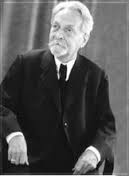
 In 1925, German zoologist Prof. Dr. Gunther Enderlein published his concepts of microbial life cycles based on blood analysis observations in the book The Life Cycle of Bacteria (Bakterien Cyklogenie) [1]. He theorized that the origin of every microbe was a tiny protein of plant origin that Enderlein called protits or colloids. Furthermore, he thought that specific stimuli caused this protein to polymerize from ball-like structures which he labelled symprotits and makrosymprotits into spermites, which Enderlein believed was a virus or prestage of bacteria. From this spermite (viral phase), Enderlein reported that further development to a bacterium could take place, with final culmination into the fungi Aspergillus niger or Mucor racemosus.
This paper will report on the molecular identification of so-called protits, symprotits and macrosymprotits, the initial stages of Enderlein’s proposed life cycle of bacteria. Modern research conducted by Dr. Christopher Gerner, Ph.D. in Biochemistry at the University of Vienna, Austria, has shown that these forms are primarily composed of the human body’s own molecules globin and albumin, and do not consist of plant-based proteins as thought by Enderlein. In addition, Enderlein did indeed observe some microscopic phenomena that seem to correlate to illness processes in human blood. However, his model of a life cycle of bacteria with a protein of plant origin (protit) as the starting point is no longer viable in light of the presented results. Today’s scientific knowledge of living processes are very precise, but were unknown to Enderlein in 1925. Taking into account the limited knowledge and scientific techniques available to Enderlein decades ago, we can better understand how he came to his erroneous theories.
The Life Of Prof. Dr. Enderlein
Professor Dr. Guenther Enderlein was born in 1872 in Leipzig, located in eastern Germany. He studied natural science, physics and zoology at the University of Liepzig and graduated summa cum laude. Following graduation, Enderlein served as an assistant at the Agricultural University in Berlin. He married in 1904 and two years later accepted a new position at the Zoological Museum in Stettin. In 1914, the First World War began and Enderlein served as a doctor in a German Military Hospital in Stettin. From 1916-1922, he conducted research on his theory of bacterial life cycles, and published his findings in a book entitled Bacterien Cyklogenie (The Life Cycle of Bacteria) in 1925. During that period, he also was the director at the Zoological Institute and curator at the Berlin Zoological Museum.
In 1944, Dr. Enderlein founded the microbiological firm IBICA in Berlin. In 1949, he moved the company`s headquarters and production facilities to Aumuehle, near Hamburg. In 1968, Enderlein died at the age of 96, and in 1975 the equipment of the IBICA company was sold [2].
Background To Enderlein’s Observation In Blood Samples
In 1916, Dr. Enderlein began his investigations of blood under the microscope. He used techniques available at that time, namely phase contrast and darkfield microscopy[3]. These methods enabled him to observe both stained, dried blood and live blood preparations from healthy and sick animals and humans [4] [5]. During his investigations, Enderlein observed many morphologies in the blood that he correlated to illnesses [6].
Enderlein reported seeing ball-like morphologies that he called protits, symprotits and makrosymprotits, depending on the increase in size [7]. Moreover, he observed string-like structures that he called filits, and string-like structures with a ball-like morphology on one end that he named spermites [8] [9].
Ball-like morphologies significantly larger in size than symprotits and macrosymprotits were called mychit or thecit [10], while Enderlein named morphologies of many large, ball-like structures assembled in a row basit, phytit, rhabdit, linit and ascit, depending on the number arrayed [11]. Finally, the German researcher identified highly complex morphological structures as systases or petoharphen [12].
Enderlein observed these morphologies in the blood of patients suffering from various illnesses, and was able to correlate different morphologies to the progress of illnesses [13]. As a result, he concluded that specific pathogenic structures develop in size and appearance depending on the progress of a particular illness (Endobiosis) [14]. Enderlein was able to make these structures microscopically invisible by adding alkaline solution to the blood preparation, an effect he could not observe by adding an acidic solution [15]. This made him believe that he was observing a depolymerization reaction that resembles the reversing of the postulated upward development [16]. Because the identified structures were affected by an alkaline solution and not by an acidic solution, Enderlein concluded that a constant intoxification and high acidic load in the blood leads to ongoing physiological disturbances that manifests in the structures he observed in blood preparations.
The so-called mychit, thecit, basit, phytit, rhabdit, linit and ascit structures are morphologically similar to Syncrotis buccalis or Sclerothrix tubercolosis bacteria grown in culture when viewed with phase contrast microscopy [17]. Due to this similarity, Enderlein concluded that these structures observed in blood preparations were living bacteria [18]. Systase structures are morphologically comparable to fungus like Mucor racemosus or Aspergillus niger grown in liquid culture [19]. Therefore, Enterlein further inferred that systase structures observed in the blood of seriously ill patients are actually the fungi Mucor racemosus and Aspergillus niger [20]. With this insight as background, it is possible to understand how Enderlein came to his conclusions.
Isopathic Remedies Developed By Enderlein
In his laboratory, Enderlein was able to reduce the morpological complexity of Mucor racemosus and Aspergillus niger preparations to ball-like structures with alkaline solution, much like he was able to do with systase morphologies in blood preparations [21]. He concluded that these fungi were the polymerization product of ball-like structures composed of a specific protein of plant origin, the so-called protit [22].
To understand Enderlein’s ideas, it is important to define the term isopathic. Samuel Hahnemann (1755-1843), the Father of Homeopathy, coined the terms homeopathy (Greek for homoion = similar, pathos=suffering or disease) and isopathy (Greek for iso=same, pathos=suffering or disease). Homeopathy attempts to restore disrupted functions and life processes of ill patients by prescribing a diluted substance that provokes symptoms in a healthy patient, that in large doses, are similar to those exhibited by the ill patient. Homeopathic remedies are typically herbs or minerals. In contrast, isopathy is the treatment with the same substance that causes the illness, such as microbial pathogens or toxins, and additionally includes highly diluted mircrobes such as gonorrhea, scabies, syphilis or tubercolosis. Because Enderlein understood his remedies as lower, benign forms of the fungus Mucor racemosus and Aspergillus niger, he used the term isopathy to describe the preparations.
Enderlein`s Concepts On The Origin Of Illnesses
While analyzing blood, Enderlein observed that when so-called spermites interacted with so-called Mychits, the morphological structures dissapeared. [24] During this period of medical progress in the early 20th Century, the viral (bacteriophage) induced lysis (destruction) of bacteria recently had been described [25] [26]. As a result, Enderlein hypothesized that spermites were viruses that infect mychits, which he believed were bacteria [27] [28]. He further thought that spermites induced the degradation of bacterial cells (mychit) to smaller units, namely symprotits and macrosymprotits. Enderlein described this as a sexual process that leads to the transition from pathogenic bacterial forms to non-pathogenic protein forms (symprotit, macrosymprotit) and viral forms (spermites) [29] [30].
From these observations, Enderlein developed the idea that small protein units (protits and symprotits) from the fungi Mucor racemosus and Aspergillus niger should be able to induce the downgrading or degradation of pathologic morphologies that he observed in the blood samples of sick people [31] [32] [33]. Consequently, Enderlein then produced isopathic remedies made from Mucor racemosus and Aspergillus niger that he thought provided the apathogenic structures (protits, symprotits and spermites) that supposedly could reduce pathogenic complex structures in the blood of patients suffering from various kinds of illnesses [34].
Therefore, Enderlein thought that all microbes possessed a natural development cycle that began with microscopically invisible, or very difficult to view, primitive protein phases (protit, symprotit, makrosymprotit) [35]. These phases then proceeded to viral forms (spermites) and bacterial forms (mychit, thecit, basit, phytit, rhabdit, linit and ascit), and finally culminated in a fungus (Mucor racemosus or Aspergillus niger) [36] [37]. This proposed upward development from primitive phases to bacteria to fungus was called probaenogenie or the complex of endobiosis by Enderlein, and he identified the Endobiont as the primary cause of disease [38].
To sum up, he proposed that the development started with the most primitive form, a single protein or protit, which he thought was the primordial form of life and origin of every living being [39]. Enderlein also theorized that the unification or polymerization of many protits into ball-like structures known as symprotits or macrosymprotits led to the development of the primordial nucleus. Next, reserves of single living colloids (symprotits) assembled around the nucleus to provide the cell plasma, enabling the transformation into a cell to occur [40]. The protits could polymerize in different forms, creating new morphological structures such as spermite. Finally, as the cellular structures went through an upward development to more virulent forms due to a change in homeostasis. Enderlein proposed that the development of the highest forms to be pathogenic bacteria or fungi, which he believed to be Mucor racemosus or Aspergillus niger. Enderlein concluded that this upward development postulated as the life cycle of mircroorganisms is the cause of all forms of illness [41]. He proposed that the protit or Endobiont is present in every cell of the human body, and under a specific stimulus will progress through an upward development to higher pathogenic levels, culminating in a fungus [42] [43] [44]. He also theorized that this development was caused mainly by an improper diet that overfed the Endobiont with large amounts of protein and excessive nutrients [45]. His basic understanding was that humans do not experience different kinds of illnesses, but one illness: the upward development of the Endobiont (that leads to endobiosis). According to the predisposition of the patient, the illness manifests different symptoms [46]. To heal patients, Enderlein also theorized that the smallest elements from the life cycle of microbes (protit, symprotit, macrosymprotit and spermite) are completely apathogenic and useful for reversing endobiontic disease processes [47]. This represents the main principle on which he based his isopathic way of treating illnesses.
Blood Analysis According To Enderlein
Enderlein developed a diagnostic tool to examine the different morphologies observed in the blood of patients that he correlated to the progress of illnesses or stages of endobiosis [48]. By using darkfield and phase contrast microscopy, he examined stained, dried blood preparations and live blood. One sheet used to document blood diagnostics performed at the IBICA company was entitled Comparative Morphological Blood Analysis according to Prof. Dr. Guenther Enderlein. It reveals that Enderlein performed vital and dried blood examinations with darkfield and phase contrast microscopy, but he also used staining techniques as well. Indeed, Enderlein only performed darkfield analysis on two specific phases – the spermite and filit phase. He also looked at many different parameters with stained preparations (a fact often overlooked by Enderlein proponents who teach darkfield) and determined the pathogencity of the so-called Endobiont [48].
A Brief Review Of Scientific Achievement
Looking back, we can classify Enderlein`s research within the advancement of scientific knowledge and known concepts of his time. It is important to understand why he developed this theory of life cycles based on his observations using microscopy.
In 1683, the Dutch researcher von Leeuwenhoek made the first observation of procaryotes, single cell living organisms such as bacteria. In 1838 Schleiden and Schwann developed the theory that life is based on morphological units called cells. Until this time, no one had identified the functional unit of life (the cell). In 1859, Charles Darwin published his theories about he Origins of Species, and in 1865 the Czech monk Gregor Mendel proposed his laws of inheritance, although he did not know about genes or DNA. In 1869, Friedrich Miescher discovered nucleic acids, but it was not yet known that they were a matter of inheritance.
From 1916 to 1925, Gunther Enderlein developed his theory on the life cycles of bacteria. At that time, it was not known that humans have DNA and genes. DNA carries genes and regulates gene expression and is required to create proteins.
In 1935, Max Delbrock and Otto Hahn discovered that mutations are caused by changes of molecules. This was a tremendous discovery because it provided a deeper understanding of the laws of heredity. In 1944, Oswald Avery proposed that genes consist of DNA. In addition, the German scientist Erwin Schrdinger in 1944 made a theoretical deduction of the genetic code, explaining that it consisted of 3 bases that code in different composition the 20 amino acids required by the human body.
In 1950, Erwin Chargaff discovered that nucleotides in the DNA occur in pairs. In 1953, the German scientist Friedrich Sanger did the first complete sequencing of the protein insulin. About the same time, James Watson and Francis Crick proposed a model of the structure of DNA, which enabled scientists to understand how cells can divide and multiply the genetic information.
As previously mentioned, Gnther Enderlein published his theory in 1925. At that time, the scientific community believed that proteins were the basic unit of all living beings and the basis of heredity. Until 1959, it was not known that DNA actually is a matter of heredity, and that DNA transcribed RNA is the template for the more than 25,000 proteins of a human cell. Therefore, Enderlein did not know about DNA and genetic information, and did not take it into account in his theory.
In 1961, Francis Jakob and Jaques Monod discovered that molecular switches exist on DNA, which means that genes expressed as proteins are tightly regulated. In 1970, the age of genetic technology began and it took only three years until the first genetically altered bacteria was created. In 1975, A.M. Maxam, Walter Gilbert and Friedrich Sanger developed a rapid sequencing technique for long strands of DNA, and seven years later the first genetically produced medication, insulin, was completed. In 1990, science marked the official start of the human genome project, and in 1997, the first eucaryote, a sheep named Dolly, was cloned. In 2000, the first human genome project was completed [49] [50].
How were these rapid advances possible? The answer is that science strongly depends on the techniques available at the time. Better techniques provide more complex ways to look into the human body. For example, science knows today that humans have a 99 percent similarity to mice and human apes. However, the regulation and expression of genes makes a person look different than a mouse or an ape. The secret of life is not only located in the DNA but mainly the Proteom, the proteins made from the genes. How these proteins are made is regulated by other proteins. Therefore, DNA is required to create proteins, and proteins are required to produce DNA. Certainly, a mouse is similar to a human because it has blood vessels, a heart, a liver, a stomach, eyes and bones. Yet what makes the two species completely different is the arrangement and expression of the genes on the DNA. The secret of being human, therefore, is not in the 1 percent difference, but in the regulation of DNA and synthesis of proteins [49] [50].
Comparative Morphological Research Performed In Early 20th Century
But how did scientists perform research in 1925 when Enderlein published his theories? Due to lack of scientific knowledge and lack of sophisticated modern techniques, it was not possible at that time to determine biological molecules such as proteins and DNA on a molecular level. It was commonly accepted in the scientific community that if something appeared the same it was the same (comparative morphological research) [51]. Because of this Enderlein related his observations in blood preparations to microorganisms due to the similarities in morphology [51]. Today, highly sensitive and sophisticated methods are available to rapidly determine whether objects that morphologically look similar are identical or not. DNA or RNA sequences are determined or specific proteins are identified to conclude similarity.
The Prerequisites For Reproductive Life
Creating life requires biomolecules that include proteins, carbohydrates, lipids, nucleic acids and low molecular weight substances [52]. The building blocks of proteins are amino acids, required to create [53] structural proteins such as collagen or microtubules for the cytoskeleton.
In addition, human beings have:
regulatory proteins such as growth hormones;
transport proteins such as hemoglobin or myoglobin that carry oxygen and carbon dioxide;
enzymes like pepsin and trypsin in the stomach & intestines;
membrane proteins that include receptors
protective proteins as antibodies and the complement system
Science also has identified the building blocks of carbohydrates as sugars, such as glucose and fructose, needed for energy synthesis, Importantly, ATP (adenosine triphosphate) is the general currency of energy for all living organisms. In the human body, ATP is hydrolyzed to ADP (adenosine diphosphate), which provides energy for walking, thinking, hearing, seeing and other functions. If a person did not recycle ATP, then the body would need to produce 74 kg of this substance per day. Humans also need carbohydrates for energy storage in glycogen, which is stored in the liver and muscles [54].
The building blocks of lipids are fatty acids, glycerol and several other molecules. Lipids are required for biomembranes. Every living organism is composed of cells, which is surrounded by a membrane comprised of lipids and proteins [55] [56].
Moreover, nucleic acids are needed for DNA, the storage of genetic information, and for transferring genetic information to RNA, from which the information is taken to make a protein. The building blocks for nucleic acids are nucleotides [57].
Finally, low molecular weight substances are required, which include trace elements, minerals and vitamins [58].
The Synthesis of Proteins
In 1925, German zoologist Prof. Dr. Gunther Enderlein published his concepts of microbial life cycles based on blood analysis observations in the book The Life Cycle of Bacteria (Bakterien Cyklogenie) [1]. He theorized that the origin of every microbe was a tiny protein of plant origin that Enderlein called protits or colloids. Furthermore, he thought that specific stimuli caused this protein to polymerize from ball-like structures which he labelled symprotits and makrosymprotits into spermites, which Enderlein believed was a virus or prestage of bacteria. From this spermite (viral phase), Enderlein reported that further development to a bacterium could take place, with final culmination into the fungi Aspergillus niger or Mucor racemosus.
This paper will report on the molecular identification of so-called protits, symprotits and macrosymprotits, the initial stages of Enderlein’s proposed life cycle of bacteria. Modern research conducted by Dr. Christopher Gerner, Ph.D. in Biochemistry at the University of Vienna, Austria, has shown that these forms are primarily composed of the human body’s own molecules globin and albumin, and do not consist of plant-based proteins as thought by Enderlein. In addition, Enderlein did indeed observe some microscopic phenomena that seem to correlate to illness processes in human blood. However, his model of a life cycle of bacteria with a protein of plant origin (protit) as the starting point is no longer viable in light of the presented results. Today’s scientific knowledge of living processes are very precise, but were unknown to Enderlein in 1925. Taking into account the limited knowledge and scientific techniques available to Enderlein decades ago, we can better understand how he came to his erroneous theories.
The Life Of Prof. Dr. Enderlein
Professor Dr. Guenther Enderlein was born in 1872 in Leipzig, located in eastern Germany. He studied natural science, physics and zoology at the University of Liepzig and graduated summa cum laude. Following graduation, Enderlein served as an assistant at the Agricultural University in Berlin. He married in 1904 and two years later accepted a new position at the Zoological Museum in Stettin. In 1914, the First World War began and Enderlein served as a doctor in a German Military Hospital in Stettin. From 1916-1922, he conducted research on his theory of bacterial life cycles, and published his findings in a book entitled Bacterien Cyklogenie (The Life Cycle of Bacteria) in 1925. During that period, he also was the director at the Zoological Institute and curator at the Berlin Zoological Museum.
In 1944, Dr. Enderlein founded the microbiological firm IBICA in Berlin. In 1949, he moved the company`s headquarters and production facilities to Aumuehle, near Hamburg. In 1968, Enderlein died at the age of 96, and in 1975 the equipment of the IBICA company was sold [2].
Background To Enderlein’s Observation In Blood Samples
In 1916, Dr. Enderlein began his investigations of blood under the microscope. He used techniques available at that time, namely phase contrast and darkfield microscopy[3]. These methods enabled him to observe both stained, dried blood and live blood preparations from healthy and sick animals and humans [4] [5]. During his investigations, Enderlein observed many morphologies in the blood that he correlated to illnesses [6].
Enderlein reported seeing ball-like morphologies that he called protits, symprotits and makrosymprotits, depending on the increase in size [7]. Moreover, he observed string-like structures that he called filits, and string-like structures with a ball-like morphology on one end that he named spermites [8] [9].
Ball-like morphologies significantly larger in size than symprotits and macrosymprotits were called mychit or thecit [10], while Enderlein named morphologies of many large, ball-like structures assembled in a row basit, phytit, rhabdit, linit and ascit, depending on the number arrayed [11]. Finally, the German researcher identified highly complex morphological structures as systases or petoharphen [12].
Enderlein observed these morphologies in the blood of patients suffering from various illnesses, and was able to correlate different morphologies to the progress of illnesses [13]. As a result, he concluded that specific pathogenic structures develop in size and appearance depending on the progress of a particular illness (Endobiosis) [14]. Enderlein was able to make these structures microscopically invisible by adding alkaline solution to the blood preparation, an effect he could not observe by adding an acidic solution [15]. This made him believe that he was observing a depolymerization reaction that resembles the reversing of the postulated upward development [16]. Because the identified structures were affected by an alkaline solution and not by an acidic solution, Enderlein concluded that a constant intoxification and high acidic load in the blood leads to ongoing physiological disturbances that manifests in the structures he observed in blood preparations.
The so-called mychit, thecit, basit, phytit, rhabdit, linit and ascit structures are morphologically similar to Syncrotis buccalis or Sclerothrix tubercolosis bacteria grown in culture when viewed with phase contrast microscopy [17]. Due to this similarity, Enderlein concluded that these structures observed in blood preparations were living bacteria [18]. Systase structures are morphologically comparable to fungus like Mucor racemosus or Aspergillus niger grown in liquid culture [19]. Therefore, Enterlein further inferred that systase structures observed in the blood of seriously ill patients are actually the fungi Mucor racemosus and Aspergillus niger [20]. With this insight as background, it is possible to understand how Enderlein came to his conclusions.
Isopathic Remedies Developed By Enderlein
In his laboratory, Enderlein was able to reduce the morpological complexity of Mucor racemosus and Aspergillus niger preparations to ball-like structures with alkaline solution, much like he was able to do with systase morphologies in blood preparations [21]. He concluded that these fungi were the polymerization product of ball-like structures composed of a specific protein of plant origin, the so-called protit [22].
To understand Enderlein’s ideas, it is important to define the term isopathic. Samuel Hahnemann (1755-1843), the Father of Homeopathy, coined the terms homeopathy (Greek for homoion = similar, pathos=suffering or disease) and isopathy (Greek for iso=same, pathos=suffering or disease). Homeopathy attempts to restore disrupted functions and life processes of ill patients by prescribing a diluted substance that provokes symptoms in a healthy patient, that in large doses, are similar to those exhibited by the ill patient. Homeopathic remedies are typically herbs or minerals. In contrast, isopathy is the treatment with the same substance that causes the illness, such as microbial pathogens or toxins, and additionally includes highly diluted mircrobes such as gonorrhea, scabies, syphilis or tubercolosis. Because Enderlein understood his remedies as lower, benign forms of the fungus Mucor racemosus and Aspergillus niger, he used the term isopathy to describe the preparations.
Enderlein`s Concepts On The Origin Of Illnesses
While analyzing blood, Enderlein observed that when so-called spermites interacted with so-called Mychits, the morphological structures dissapeared. [24] During this period of medical progress in the early 20th Century, the viral (bacteriophage) induced lysis (destruction) of bacteria recently had been described [25] [26]. As a result, Enderlein hypothesized that spermites were viruses that infect mychits, which he believed were bacteria [27] [28]. He further thought that spermites induced the degradation of bacterial cells (mychit) to smaller units, namely symprotits and macrosymprotits. Enderlein described this as a sexual process that leads to the transition from pathogenic bacterial forms to non-pathogenic protein forms (symprotit, macrosymprotit) and viral forms (spermites) [29] [30].
From these observations, Enderlein developed the idea that small protein units (protits and symprotits) from the fungi Mucor racemosus and Aspergillus niger should be able to induce the downgrading or degradation of pathologic morphologies that he observed in the blood samples of sick people [31] [32] [33]. Consequently, Enderlein then produced isopathic remedies made from Mucor racemosus and Aspergillus niger that he thought provided the apathogenic structures (protits, symprotits and spermites) that supposedly could reduce pathogenic complex structures in the blood of patients suffering from various kinds of illnesses [34].
Therefore, Enderlein thought that all microbes possessed a natural development cycle that began with microscopically invisible, or very difficult to view, primitive protein phases (protit, symprotit, makrosymprotit) [35]. These phases then proceeded to viral forms (spermites) and bacterial forms (mychit, thecit, basit, phytit, rhabdit, linit and ascit), and finally culminated in a fungus (Mucor racemosus or Aspergillus niger) [36] [37]. This proposed upward development from primitive phases to bacteria to fungus was called probaenogenie or the complex of endobiosis by Enderlein, and he identified the Endobiont as the primary cause of disease [38].
To sum up, he proposed that the development started with the most primitive form, a single protein or protit, which he thought was the primordial form of life and origin of every living being [39]. Enderlein also theorized that the unification or polymerization of many protits into ball-like structures known as symprotits or macrosymprotits led to the development of the primordial nucleus. Next, reserves of single living colloids (symprotits) assembled around the nucleus to provide the cell plasma, enabling the transformation into a cell to occur [40]. The protits could polymerize in different forms, creating new morphological structures such as spermite. Finally, as the cellular structures went through an upward development to more virulent forms due to a change in homeostasis. Enderlein proposed that the development of the highest forms to be pathogenic bacteria or fungi, which he believed to be Mucor racemosus or Aspergillus niger. Enderlein concluded that this upward development postulated as the life cycle of mircroorganisms is the cause of all forms of illness [41]. He proposed that the protit or Endobiont is present in every cell of the human body, and under a specific stimulus will progress through an upward development to higher pathogenic levels, culminating in a fungus [42] [43] [44]. He also theorized that this development was caused mainly by an improper diet that overfed the Endobiont with large amounts of protein and excessive nutrients [45]. His basic understanding was that humans do not experience different kinds of illnesses, but one illness: the upward development of the Endobiont (that leads to endobiosis). According to the predisposition of the patient, the illness manifests different symptoms [46]. To heal patients, Enderlein also theorized that the smallest elements from the life cycle of microbes (protit, symprotit, macrosymprotit and spermite) are completely apathogenic and useful for reversing endobiontic disease processes [47]. This represents the main principle on which he based his isopathic way of treating illnesses.
Blood Analysis According To Enderlein
Enderlein developed a diagnostic tool to examine the different morphologies observed in the blood of patients that he correlated to the progress of illnesses or stages of endobiosis [48]. By using darkfield and phase contrast microscopy, he examined stained, dried blood preparations and live blood. One sheet used to document blood diagnostics performed at the IBICA company was entitled Comparative Morphological Blood Analysis according to Prof. Dr. Guenther Enderlein. It reveals that Enderlein performed vital and dried blood examinations with darkfield and phase contrast microscopy, but he also used staining techniques as well. Indeed, Enderlein only performed darkfield analysis on two specific phases – the spermite and filit phase. He also looked at many different parameters with stained preparations (a fact often overlooked by Enderlein proponents who teach darkfield) and determined the pathogencity of the so-called Endobiont [48].
A Brief Review Of Scientific Achievement
Looking back, we can classify Enderlein`s research within the advancement of scientific knowledge and known concepts of his time. It is important to understand why he developed this theory of life cycles based on his observations using microscopy.
In 1683, the Dutch researcher von Leeuwenhoek made the first observation of procaryotes, single cell living organisms such as bacteria. In 1838 Schleiden and Schwann developed the theory that life is based on morphological units called cells. Until this time, no one had identified the functional unit of life (the cell). In 1859, Charles Darwin published his theories about he Origins of Species, and in 1865 the Czech monk Gregor Mendel proposed his laws of inheritance, although he did not know about genes or DNA. In 1869, Friedrich Miescher discovered nucleic acids, but it was not yet known that they were a matter of inheritance.
From 1916 to 1925, Gunther Enderlein developed his theory on the life cycles of bacteria. At that time, it was not known that humans have DNA and genes. DNA carries genes and regulates gene expression and is required to create proteins.
In 1935, Max Delbrock and Otto Hahn discovered that mutations are caused by changes of molecules. This was a tremendous discovery because it provided a deeper understanding of the laws of heredity. In 1944, Oswald Avery proposed that genes consist of DNA. In addition, the German scientist Erwin Schrdinger in 1944 made a theoretical deduction of the genetic code, explaining that it consisted of 3 bases that code in different composition the 20 amino acids required by the human body.
In 1950, Erwin Chargaff discovered that nucleotides in the DNA occur in pairs. In 1953, the German scientist Friedrich Sanger did the first complete sequencing of the protein insulin. About the same time, James Watson and Francis Crick proposed a model of the structure of DNA, which enabled scientists to understand how cells can divide and multiply the genetic information.
As previously mentioned, Gnther Enderlein published his theory in 1925. At that time, the scientific community believed that proteins were the basic unit of all living beings and the basis of heredity. Until 1959, it was not known that DNA actually is a matter of heredity, and that DNA transcribed RNA is the template for the more than 25,000 proteins of a human cell. Therefore, Enderlein did not know about DNA and genetic information, and did not take it into account in his theory.
In 1961, Francis Jakob and Jaques Monod discovered that molecular switches exist on DNA, which means that genes expressed as proteins are tightly regulated. In 1970, the age of genetic technology began and it took only three years until the first genetically altered bacteria was created. In 1975, A.M. Maxam, Walter Gilbert and Friedrich Sanger developed a rapid sequencing technique for long strands of DNA, and seven years later the first genetically produced medication, insulin, was completed. In 1990, science marked the official start of the human genome project, and in 1997, the first eucaryote, a sheep named Dolly, was cloned. In 2000, the first human genome project was completed [49] [50].
How were these rapid advances possible? The answer is that science strongly depends on the techniques available at the time. Better techniques provide more complex ways to look into the human body. For example, science knows today that humans have a 99 percent similarity to mice and human apes. However, the regulation and expression of genes makes a person look different than a mouse or an ape. The secret of life is not only located in the DNA but mainly the Proteom, the proteins made from the genes. How these proteins are made is regulated by other proteins. Therefore, DNA is required to create proteins, and proteins are required to produce DNA. Certainly, a mouse is similar to a human because it has blood vessels, a heart, a liver, a stomach, eyes and bones. Yet what makes the two species completely different is the arrangement and expression of the genes on the DNA. The secret of being human, therefore, is not in the 1 percent difference, but in the regulation of DNA and synthesis of proteins [49] [50].
Comparative Morphological Research Performed In Early 20th Century
But how did scientists perform research in 1925 when Enderlein published his theories? Due to lack of scientific knowledge and lack of sophisticated modern techniques, it was not possible at that time to determine biological molecules such as proteins and DNA on a molecular level. It was commonly accepted in the scientific community that if something appeared the same it was the same (comparative morphological research) [51]. Because of this Enderlein related his observations in blood preparations to microorganisms due to the similarities in morphology [51]. Today, highly sensitive and sophisticated methods are available to rapidly determine whether objects that morphologically look similar are identical or not. DNA or RNA sequences are determined or specific proteins are identified to conclude similarity.
The Prerequisites For Reproductive Life
Creating life requires biomolecules that include proteins, carbohydrates, lipids, nucleic acids and low molecular weight substances [52]. The building blocks of proteins are amino acids, required to create [53] structural proteins such as collagen or microtubules for the cytoskeleton.
In addition, human beings have:
regulatory proteins such as growth hormones;
transport proteins such as hemoglobin or myoglobin that carry oxygen and carbon dioxide;
enzymes like pepsin and trypsin in the stomach & intestines;
membrane proteins that include receptors
protective proteins as antibodies and the complement system
Science also has identified the building blocks of carbohydrates as sugars, such as glucose and fructose, needed for energy synthesis, Importantly, ATP (adenosine triphosphate) is the general currency of energy for all living organisms. In the human body, ATP is hydrolyzed to ADP (adenosine diphosphate), which provides energy for walking, thinking, hearing, seeing and other functions. If a person did not recycle ATP, then the body would need to produce 74 kg of this substance per day. Humans also need carbohydrates for energy storage in glycogen, which is stored in the liver and muscles [54].
The building blocks of lipids are fatty acids, glycerol and several other molecules. Lipids are required for biomembranes. Every living organism is composed of cells, which is surrounded by a membrane comprised of lipids and proteins [55] [56].
Moreover, nucleic acids are needed for DNA, the storage of genetic information, and for transferring genetic information to RNA, from which the information is taken to make a protein. The building blocks for nucleic acids are nucleotides [57].
Finally, low molecular weight substances are required, which include trace elements, minerals and vitamins [58].
The Synthesis of Proteins
 Enderlein proposed a protein of plant origin (protit) that can multiply by itself. But how are proteins created? Biosynthesis of proteins occurs in all living organisms. This means that DNA is transcribed by proteins to RNA, which codes for amino acids assembled in proteins. The amino acids are put together step by step to form a poly-peptide chain consisting of many of the 20 amino acids required in the human body. Finally, the protein grows to a three-dimensional structure and develops its function [59]. In contrast to Enderlein`s theory [60], modern research has shown that no protein exists that can multiply by itself.
The Prion Perspective
What about Prions, which are classified as protein diseases? Science knows that if infected cattle brain is fed to sheep, the animals will develop Scrapie, which is related to Mad Cow Disease. It also is known that the protein in the normal physiological stage forms an alpha-helix. In Prion disease, the protein changes configuration to the so-called beta-sheet, enabling them to stick together and precipitate in the brain, which causes the cells to die, creating large holes in the brain.
Do all the hazardous proteins all come from the infected cattle brain eaten by the sheep? The answer is no. The infected protein that was eaten may induce a change in configuration from alpha helix to beta sheet, transforming the endogenous protein into a toxic one. The ingested prions are sufficient to trigger this pathogenic process [61]. Importantly, the protein does not multiply by itself.
Theory Of The Transition From Virus To Bacterium To Fungus
Enderlein`s life cycle concept asserted that microbes could transform from a virus to a bacterium to a fungus. Modern knowledge of cell structure and composition shows that this progression is impossible.
For example, a T bacteriophage is a protein coat with a single strand of DNA. A virus by itself cannot multiply. It infects a cell, incorporating its own little amount of DNA into the host chromosome, and recruits the host protein machinery to make new viruses [62].
The much higher developed organisms of bacteria, such as Bacillus subtilis, possess a plasma membrane, cell wall and circular chromosome within the cell plasma, but no organelles. All metabolic processes occur in the cell plasma [63]. Finally, fungi such as the yeast S.cerevisiae already have cell organelles, including a nucleus and compartments where different metabolic processes take place. Each compartment is separated from the others by membranes. [64].
Consequently, the number of genes coding for specific proteins also vary greatly. The genome of viruses comprise 5 to 250 genes [65], the bacteria Bacillus subtilis has 4,100 genes [66] and the yeast S. cerevisiae contains 6,000 genes [67].
As a result, a spontanous transition from virus to bacteria to a fungus is simply not possible. This progression took billions of years of evolution, with the concomitant formation of a huge number of other species.
Nevertheless, based on the research of his day, it is understandable how Enderlein came to his conclusions. Knowledge changes so rapidly that a hypothesis made today can be verified or falsified within months or few years. Science uses a background of knowledge to interpret events. However, any conclusion depends on precise experiments being conducted. It is vitally important to get correct results to gain new knowledge. Of course, after more than 75 years, scientific knowledge is very different from what was known during Enderlein’s days.
Use Of Modern Proteom Research To Identify Enderlein Darkfield Bodies / Protits
Enderlein proposed a protein of plant origin (protit) that can multiply by itself. But how are proteins created? Biosynthesis of proteins occurs in all living organisms. This means that DNA is transcribed by proteins to RNA, which codes for amino acids assembled in proteins. The amino acids are put together step by step to form a poly-peptide chain consisting of many of the 20 amino acids required in the human body. Finally, the protein grows to a three-dimensional structure and develops its function [59]. In contrast to Enderlein`s theory [60], modern research has shown that no protein exists that can multiply by itself.
The Prion Perspective
What about Prions, which are classified as protein diseases? Science knows that if infected cattle brain is fed to sheep, the animals will develop Scrapie, which is related to Mad Cow Disease. It also is known that the protein in the normal physiological stage forms an alpha-helix. In Prion disease, the protein changes configuration to the so-called beta-sheet, enabling them to stick together and precipitate in the brain, which causes the cells to die, creating large holes in the brain.
Do all the hazardous proteins all come from the infected cattle brain eaten by the sheep? The answer is no. The infected protein that was eaten may induce a change in configuration from alpha helix to beta sheet, transforming the endogenous protein into a toxic one. The ingested prions are sufficient to trigger this pathogenic process [61]. Importantly, the protein does not multiply by itself.
Theory Of The Transition From Virus To Bacterium To Fungus
Enderlein`s life cycle concept asserted that microbes could transform from a virus to a bacterium to a fungus. Modern knowledge of cell structure and composition shows that this progression is impossible.
For example, a T bacteriophage is a protein coat with a single strand of DNA. A virus by itself cannot multiply. It infects a cell, incorporating its own little amount of DNA into the host chromosome, and recruits the host protein machinery to make new viruses [62].
The much higher developed organisms of bacteria, such as Bacillus subtilis, possess a plasma membrane, cell wall and circular chromosome within the cell plasma, but no organelles. All metabolic processes occur in the cell plasma [63]. Finally, fungi such as the yeast S.cerevisiae already have cell organelles, including a nucleus and compartments where different metabolic processes take place. Each compartment is separated from the others by membranes. [64].
Consequently, the number of genes coding for specific proteins also vary greatly. The genome of viruses comprise 5 to 250 genes [65], the bacteria Bacillus subtilis has 4,100 genes [66] and the yeast S. cerevisiae contains 6,000 genes [67].
As a result, a spontanous transition from virus to bacteria to a fungus is simply not possible. This progression took billions of years of evolution, with the concomitant formation of a huge number of other species.
Nevertheless, based on the research of his day, it is understandable how Enderlein came to his conclusions. Knowledge changes so rapidly that a hypothesis made today can be verified or falsified within months or few years. Science uses a background of knowledge to interpret events. However, any conclusion depends on precise experiments being conducted. It is vitally important to get correct results to gain new knowledge. Of course, after more than 75 years, scientific knowledge is very different from what was known during Enderlein’s days.
Use Of Modern Proteom Research To Identify Enderlein Darkfield Bodies / Protits
 New technologies enable scientists to conclude whether structures viewed in the human blood are of foreign origin or not. Today, DNA and proteins can rapidly be identified. The determined DNA sequence or the identified protein delivers conclusive information on the origin and nature of the structures viewed in human blood.
Experimental Approach
What is the modern scientific hypothesis on Enderlein’s so-called protits or Darkfield Bodies?
If protits are unknown living organisms, they should:
1) grow and multiply in a nutrient-rich media of human blood;
2) contain biomolecules such as proteins, membrane lipids, carbohydrates and DNA; and
3) build up their own proteins by degrading host proteins to amino acids.
If protits are not living organisms, they could be:
4) unspecific protein aggregations due to de-naturing processes or protease activities. Only if a protein has the proper structure can it develop its proper biological function. If the proper structure is disturbed, it is known that proteins coagulate and then precipitate;
5) a specific polymerization of one or more host proteins, not foreign proteins.
To distinguish between these five possibilities, Proteom research was conducted by Christopher Gerner, Ph.D. in Biochemistry at the University of Vienna, Austria. Proteom research represents the most modern, scientific approach presently available to examine proteins, and enables the observer to identify different metabolic conditions by looking at the concentration of proteins.
According to the five hypotheses, the following three Proteom research results can be expected:
1) The protein pattern gained by high resolution Two- dimensional Gel Electrophoresis P which allows proteins to be separated by charge and size P will look completely different in comparison to the control sample (starting material = freshly made preparation). If new protein spots appear after cultivation that cannot be detected in the freshly made preparation, this strongly argues for the growth of an unknown organism that metabolizes the host`s own protein to amino acids. This organism in turn uses these amino acids to produce its own protein.
2) The protein pattern shows an increase in intensity and new proteins, specifically in the low molecular weight range, during cultivation. This can be best explained by degradation of proteins by proteases present in the preparation. This would argue for Darkfield Bodies being unspecific protein aggregation.
3) The protein pattern shows a significant gain in one or multiple protein spots. This would argue for a specific polymerization of body-own proteins.
As a result, it is possible to distinguish whether or not growth or reproduction is taking place.
Methods
The protein samples were loaded onto a matrix capable of separating different proteins according to their size and charge via Two-dimensional Gel Electrophoresis. After staining, the matrix was scanned into a computer, which automatically compared it to scientific databases that provided information on which proteins spots were known, which were new, and which gained or lost intensity.
In Two-dimensional Gel Electrophoresis, the protein in the first dimension is separated by charge. Dependent on its charge, a protein moves to a specific position. The second dimension separates the proteins by size. For example, if different proteins are in the same position in the first dimension, they can be separated according to their size in the second dimension.
Results
To distinguish between the five postulated hypotheses, Darkfield Bodies were cultured from human blood according to the method developed by Dr. Winkelstreiter
[69]. These Darkfield Bodies, which Enderlein called macrosymprotits or symprotits, morphologically compare to the ones observed in native blood.
Blood from tumor patients andcontrol patients was treated according to the Winkelstrter protocol and the Darkfield Bodies were cultured at 0(degrees)C!. One sample was taken from the freshly made preparation, a second sample after one day, and a third after three days of culture.
After one day, many tiny protein spots resembling Darkfield Bodies could be seen when viewed by phase contrast microscopy (Figure 1 b). After three days of cultivation, the spots that were morphologically idetified as so-called symprotits gained in mass (Figure 1 c) [69]. It appeared clearly that something was growing or increasing in size from tiny spots up to larger spots. To distinguish between a living organism and protein aggregation, all the samples were examined by high-resolution Two-dimensional Gel Electrophoresis to compare the protein pattern of cultured samples taken after one and three days.
Figure 2 shows the comparison of the two-dimensional protein patterns of the starting material to the cultured Darkfield Bodies. Picture a shows the starting material, whereas pictures b and c show cultured Darkfield Bodies before and after purification. The cultured Darkfield Bodies (Figure 2, picture b) show a similar protein pattern to the starting material (Figure 2, picture a). The serum protein albumin is very dominant. It is known that albumin is highly soluble with a great affinity to proteins. To eliminate albumin from unsoluble Darkfield Bodies, purification steps were performed.
The cultivated Darkfield Bodies were purified with detergents (Sodiumdodecylsulfate, Tween 40), as well as high and low salt buffers. Under these conditions, plasma membranes would dissolve readily. Phase contrast microscopy revealed that the purification had no influence on the morphology of the Darkfield Bodies. This indicates that the Darkfield Bodies are not living organisms because of the lack of a plasma membrane. Figure 2, picture c reveals that albumin could be separated from the cultivated Darkfield preparation. This indicates that albumin most probably binds to the surface of Darkfield Bodies. In addition, the protein spot of globin significantly increased in size (larger spot) in comparison to the unpurified Darkfield Bodies, showing that Darkfield Bodies are specific polymerization products primarily composed of the body’s own molecules globin and albumin [69].
If protits and symprotits are a specific aggregation of globin, then it should be possible to stain these structures with an antibody that specifically recognizes globin. To investigate this possibility, immunofluorescent staining experiments were performed. Darkfield Bodies specifically stained positive with globin antibodies [70]. This provided final proof that globin is the primary constituent part of Darkfield Bodies. In addition, the Darkfield Bodies did not stain DNA positive [69].
Discussion
Now that Proteom research has proven that symprotits and macrosymprotits are actually clusters of globin, it is important to explain the source of this globin.
To maintain proper homeostasis, old and damaged erythrocytes are selectively removed from the bloodstream by spleen and liver cells, which recognize a change in shape (comformation) of a membrane receptor (band 3 protein) on the red cells. This process is caused by oxidative damage to hemoglobin. The red blood cells are forced through capillaries, causing mechanical stress because the diameter of capillaries is smaller than the diameter of a red blood cell. A constant rearrangement of the plasma membrane and protein skeleton takes place within the cell. If the cell is oxidatively damaged, it cannot rearrange the plasma membrane rapidly enough to meet these conditions This mechanical stress causes cell lysis to occur. Consequently, hemoglobin is set free in the sera (Figure 3, a).
As hemoglobin is released, the serum protein haptoglobin specifically binds to hemoglobin and transports it to the liver, where it is degraded. The haptoglobin is then recycled to the sera in a rapid process so that it can collect more hemoglobin (physiologic protection mechanism) (Figure 3, c).
As erythrocytes undergo cell lysis, iron is easily oxidized by serum components. When iron within the hemoglobin is oxidized, it turns from a 2+ to a 3+ charge by giving up one electron (Figure 3, d). In addition, iron in hemoglobin can be oxidized through damage caused by processes that occur within the red blood cells (Figure 3, b). This finally leads to destruction of the cell, unless the spleen eliminates it beforehand. As a consequence, oxidized iron is released into the sera. If the iron is oxidized to the 3+ stage, then the three-dimensional shape of the hemoglobin is changed. Hemichrom (the part containing iron) dissociates from globin (protein part), which then readily undergoes polymerization.
In the sera, a second protein called hemopexin binds to the oxidized iron and transports it to liver cells that remove it from the bloodstream. In contrast to haptoglobin, hemopexin occurs in low concentration in the serum (Figure 3, e). As a result, the oxidized iron can be incorporated into the plasma membranes of healthy red blood cells. This process causes oxidative damage that affects plasma membrane stability (Figure 3, f and b) [71] [72], and oxidizes hemoglobin that polymerizes to the so-called Darkfield Bodies (globin polymers, Heinz Bodies) (Figure 3, g).
New technologies enable scientists to conclude whether structures viewed in the human blood are of foreign origin or not. Today, DNA and proteins can rapidly be identified. The determined DNA sequence or the identified protein delivers conclusive information on the origin and nature of the structures viewed in human blood.
Experimental Approach
What is the modern scientific hypothesis on Enderlein’s so-called protits or Darkfield Bodies?
If protits are unknown living organisms, they should:
1) grow and multiply in a nutrient-rich media of human blood;
2) contain biomolecules such as proteins, membrane lipids, carbohydrates and DNA; and
3) build up their own proteins by degrading host proteins to amino acids.
If protits are not living organisms, they could be:
4) unspecific protein aggregations due to de-naturing processes or protease activities. Only if a protein has the proper structure can it develop its proper biological function. If the proper structure is disturbed, it is known that proteins coagulate and then precipitate;
5) a specific polymerization of one or more host proteins, not foreign proteins.
To distinguish between these five possibilities, Proteom research was conducted by Christopher Gerner, Ph.D. in Biochemistry at the University of Vienna, Austria. Proteom research represents the most modern, scientific approach presently available to examine proteins, and enables the observer to identify different metabolic conditions by looking at the concentration of proteins.
According to the five hypotheses, the following three Proteom research results can be expected:
1) The protein pattern gained by high resolution Two- dimensional Gel Electrophoresis P which allows proteins to be separated by charge and size P will look completely different in comparison to the control sample (starting material = freshly made preparation). If new protein spots appear after cultivation that cannot be detected in the freshly made preparation, this strongly argues for the growth of an unknown organism that metabolizes the host`s own protein to amino acids. This organism in turn uses these amino acids to produce its own protein.
2) The protein pattern shows an increase in intensity and new proteins, specifically in the low molecular weight range, during cultivation. This can be best explained by degradation of proteins by proteases present in the preparation. This would argue for Darkfield Bodies being unspecific protein aggregation.
3) The protein pattern shows a significant gain in one or multiple protein spots. This would argue for a specific polymerization of body-own proteins.
As a result, it is possible to distinguish whether or not growth or reproduction is taking place.
Methods
The protein samples were loaded onto a matrix capable of separating different proteins according to their size and charge via Two-dimensional Gel Electrophoresis. After staining, the matrix was scanned into a computer, which automatically compared it to scientific databases that provided information on which proteins spots were known, which were new, and which gained or lost intensity.
In Two-dimensional Gel Electrophoresis, the protein in the first dimension is separated by charge. Dependent on its charge, a protein moves to a specific position. The second dimension separates the proteins by size. For example, if different proteins are in the same position in the first dimension, they can be separated according to their size in the second dimension.
Results
To distinguish between the five postulated hypotheses, Darkfield Bodies were cultured from human blood according to the method developed by Dr. Winkelstreiter
[69]. These Darkfield Bodies, which Enderlein called macrosymprotits or symprotits, morphologically compare to the ones observed in native blood.
Blood from tumor patients andcontrol patients was treated according to the Winkelstrter protocol and the Darkfield Bodies were cultured at 0(degrees)C!. One sample was taken from the freshly made preparation, a second sample after one day, and a third after three days of culture.
After one day, many tiny protein spots resembling Darkfield Bodies could be seen when viewed by phase contrast microscopy (Figure 1 b). After three days of cultivation, the spots that were morphologically idetified as so-called symprotits gained in mass (Figure 1 c) [69]. It appeared clearly that something was growing or increasing in size from tiny spots up to larger spots. To distinguish between a living organism and protein aggregation, all the samples were examined by high-resolution Two-dimensional Gel Electrophoresis to compare the protein pattern of cultured samples taken after one and three days.
Figure 2 shows the comparison of the two-dimensional protein patterns of the starting material to the cultured Darkfield Bodies. Picture a shows the starting material, whereas pictures b and c show cultured Darkfield Bodies before and after purification. The cultured Darkfield Bodies (Figure 2, picture b) show a similar protein pattern to the starting material (Figure 2, picture a). The serum protein albumin is very dominant. It is known that albumin is highly soluble with a great affinity to proteins. To eliminate albumin from unsoluble Darkfield Bodies, purification steps were performed.
The cultivated Darkfield Bodies were purified with detergents (Sodiumdodecylsulfate, Tween 40), as well as high and low salt buffers. Under these conditions, plasma membranes would dissolve readily. Phase contrast microscopy revealed that the purification had no influence on the morphology of the Darkfield Bodies. This indicates that the Darkfield Bodies are not living organisms because of the lack of a plasma membrane. Figure 2, picture c reveals that albumin could be separated from the cultivated Darkfield preparation. This indicates that albumin most probably binds to the surface of Darkfield Bodies. In addition, the protein spot of globin significantly increased in size (larger spot) in comparison to the unpurified Darkfield Bodies, showing that Darkfield Bodies are specific polymerization products primarily composed of the body’s own molecules globin and albumin [69].
If protits and symprotits are a specific aggregation of globin, then it should be possible to stain these structures with an antibody that specifically recognizes globin. To investigate this possibility, immunofluorescent staining experiments were performed. Darkfield Bodies specifically stained positive with globin antibodies [70]. This provided final proof that globin is the primary constituent part of Darkfield Bodies. In addition, the Darkfield Bodies did not stain DNA positive [69].
Discussion
Now that Proteom research has proven that symprotits and macrosymprotits are actually clusters of globin, it is important to explain the source of this globin.
To maintain proper homeostasis, old and damaged erythrocytes are selectively removed from the bloodstream by spleen and liver cells, which recognize a change in shape (comformation) of a membrane receptor (band 3 protein) on the red cells. This process is caused by oxidative damage to hemoglobin. The red blood cells are forced through capillaries, causing mechanical stress because the diameter of capillaries is smaller than the diameter of a red blood cell. A constant rearrangement of the plasma membrane and protein skeleton takes place within the cell. If the cell is oxidatively damaged, it cannot rearrange the plasma membrane rapidly enough to meet these conditions This mechanical stress causes cell lysis to occur. Consequently, hemoglobin is set free in the sera (Figure 3, a).
As hemoglobin is released, the serum protein haptoglobin specifically binds to hemoglobin and transports it to the liver, where it is degraded. The haptoglobin is then recycled to the sera in a rapid process so that it can collect more hemoglobin (physiologic protection mechanism) (Figure 3, c).
As erythrocytes undergo cell lysis, iron is easily oxidized by serum components. When iron within the hemoglobin is oxidized, it turns from a 2+ to a 3+ charge by giving up one electron (Figure 3, d). In addition, iron in hemoglobin can be oxidized through damage caused by processes that occur within the red blood cells (Figure 3, b). This finally leads to destruction of the cell, unless the spleen eliminates it beforehand. As a consequence, oxidized iron is released into the sera. If the iron is oxidized to the 3+ stage, then the three-dimensional shape of the hemoglobin is changed. Hemichrom (the part containing iron) dissociates from globin (protein part), which then readily undergoes polymerization.
In the sera, a second protein called hemopexin binds to the oxidized iron and transports it to liver cells that remove it from the bloodstream. In contrast to haptoglobin, hemopexin occurs in low concentration in the serum (Figure 3, e). As a result, the oxidized iron can be incorporated into the plasma membranes of healthy red blood cells. This process causes oxidative damage that affects plasma membrane stability (Figure 3, f and b) [71] [72], and oxidizes hemoglobin that polymerizes to the so-called Darkfield Bodies (globin polymers, Heinz Bodies) (Figure 3, g).
 If the body’s protection mechanisms (spleen, haptoglobin, hemopexin) are saturated P where the amount of damaged erythrocytes exceeds the body’s degradation mechanisms P so-called Darkfield Bodies can be observed in the patient’s blood. As this process continues, more and more protein parts (globin and albumin) bind together, leading to increased amounts of globin/albumin protein clusters (Figure 3, b, g and f). These structures are the so-called Enderlein symprotits and macrosymprotits.
Summary
Enderlein observed morphologies in the blood of patients that do exist and may correlate to pathological processes. However, today we know that the theories he postulated no longer hold true in light of modern scientific knowledge. Although many questions remain open on the cause of illnesses and the molecular mechanisms that enable and regulate life, science knows the precise prerequisites for organisms to exist and multiply. In addition, it is possible to categorize living organisms into species. It is known that pleomorphic alterations within species may occur. But these pleomorphic alterations do not represent the development of new species; rather, they are encoded by genes within any individium of a species, and take place in a highly regulated manner.
In conclusion, the so-called endobiontic infestation of erythrocytes and serum are aggregation of globin and albumin, due to oxidative damage and other stress factors.
References:
[1] Enderlein G., (1925), Bakterien-Cyclogenie, Verlag de Gruyter & Co Berlin
[2] Enby E., Gosch P., Sheehan M., (1990), Hidden Killers, page 204
[3] Enderlein G., (1955), Akmon Band I, page 104
[4] Enderlein G., (1955), Akmon Band I, page 71
[5] Enderlein G., (1957), Akmon Band II, page 231
[6] Enderlein G., (1955), Akmon Band I, page 40-57
[7] Enderlein G., (1955), Akmon Band I, page 28
[8] Enderlein G., (1955), Akmon Band I, page 35
[9] Enderlein G., (1955), Akmon Band I, page 40
[10] Enderlein G., (1955), Akmon Band I, page 28
[11] Enderlein G., (1955), Akmon Band I, page 35
[12] Enderlein G., (1955), Akmon Band I, page 103
[13] Enderlein G., (1955), Akmon Band I, page 33
[14] Enderlein G., (1955), Akmon Band I, page 36-37
[15] Enderlein G., (1955), Akmon Band I, page 34
[16] Enderlein G., (1955), Akmon Band I, page 65
[17] Enderlein G., (1955/1957), Akmon volume I and II
[18] Enderlein G., (1955), Akmon Band I, page 68
[19] Enderlein G., (1955), Akmon Band I, page 90 – 124
[20] Enderlein G., (1955/1997), Akmon volume I and II
[21] Enderlein G., (1955), Akmon Band I, page 34
[22] Enderlein G., (1957), Akmon Band II, page 241
[24] Enderlein G., (1955), Akmon Band I, page 40
[25] Enderlein G., (1955), Akmon Band I, page 39
[26] Enderlein G., (1955), Akmon Band I, page 40
[27] Enderlein G., (1955), Akmon Band I, page 30
[28] Enderlein G., (1950), IMMUNOBIOLOGICA Heft 3. u. 4., page108
[29] Enderlein G., (1950), IMMUNOBIOLOGICA Heft 3. u. 4., page109
[30] Enderlein G., (1955), Akmon Band I, page 40
[31] Enderlein G., (1955), Akmon Band I, page 189
[32] Enderlein G., (1957), Akmon Band II, page 321
[33] Enderlein G., (1957), Akmon Band II, page 335
[34] Enderlein G., (195
5), Akmon Band I, page
[35] Enderlein G., (1957), Akmon Band II, page 240
[36] Enderlein G., (1955), Akmon Band I, page 28 P 31
[37] Enderlein G., (1950), IMMUNOBIOLOGICA Heft 3. u. 4., page 99
[38] Enderlein G., (1955), Akmon Band I, page 34
[39] Enderlein G., (1950), IMMUNOBIOLOGICA Heft 3. u. 4., page102
[40] Enderlein G., (1950), IMMUNOBIOLOGICA Heft 3. u. 4., page102
[41] Enderlein G., (1957), Akmon Band II, page 315
[42] Enderlein G., (1955), Akmon Band I, page 39
[43] Enderlein G., (1950), IMMUNOBIOLOGICA Heft 3. u. 4., page101
[44] Enderlein G., (1950), IMMUNOBIOLOGICA Heft 3. u. 4., page106
[45] Enderlein G., (1957), Akmon Band II, page 226
[46] Enderlein G., (1950), IMMUNOBIOLOGICA Heft 3. u 4., page108
[47] Enderlein G., (1950), IMMUNOBIOLOGICA Heft 3. u. 4., page112
[48] Enderlein G., (1955), Akmon Band I, page 134 P 143
[49] The International Human Genome Mapping Consortium (2001), Nature, A physical map of the human genome.
[50] The Celera Genomics Sequencing Team (2001), Science, The sequence of the human genome.
[51] Enderlein G., (1957) Akmon Band II, page 286
[52] Lodish H., Baltimore D. et. al. (1995) Molecular Cell Biology
Chaper 1, Scientific American Books
[53] Lodish H., Baltimore D. et. al. (1995) Molecular Cell Biology
Chaper 3, Scientific American Books
[54] Voet D., Voet J.G. (1995) Biochemistry Chapter 10,
John Wiley & Sons, Inc.
[55] Voet D., Voet J.G. (1995) Biochemistry Chapter 11,
John Wiley & Sons, Inc.
[56] Lodish H., Baltimore D. et. al. (1995) Molecular Cell Biology
Chaper 1, Scientific American Books
[57] Lodish H., Baltimore D. et. al. (1995) Molecular Cell Biology
Chaper 4, Scientific American Books
[58] Alberts B. et. al. (1994) Molecular Biology Of The Cell
Chapter 2, Garland Publishing, Inc.
[59] Lodish H., Baltimore D. et. al. (1995) Molecular Cell Biology
Chaper 3, Scientific American Books
[60] Enderlein G, (1950), IMMUNOBIOLOGICA Heft 3. u. 4., page104
[61]
[62] Alberts B. et. al. (1994) Molecular Biology Of The Cell
Chapter 6, Garland Publishing, Inc.
[63] Alberts B. et. al. (1994) Molecular Biology Of The Cell
Chapter 1, Garland Publishing, Inc.
[64] Alberts B. et. al. (1994) Molecular Biology Of The Cell
Chapter 1, Garland Publishing, Inc.
[65] Stryer L. (1988) Biochemistry Chaper 34, W. H. Freeman
and Company
[66] Kunst F. et. al. (1997) Nature, The complete sequence of the
gram-positive bacterium Bacillus subtilis
[67] Goffeau A. et. al. (1997) Science, Life with 6000 genes
[68] Voet D., Voet J.G. (1995) Biochemistry Chapter 31
[69] Gerner C. (1997) Biochemische Analyse endobiontischer Strukturen aus dem menschlichen Blut. Curr. Onkol. 7, 6 P 12
[70] Gerner C. (2001) unpublished results
[71] Languino L.R., (1993) Fibrinogen Mediates Leucocyte Adhesion to Vascular Endothelium Through an ICAM-1-Dependent Pathway.
Cell 73, 1423 P 1434
[72] Sen, C:K. et. al. (1996) Antioxidant and redox regulation of gene transcription. FASEB J. 10, 709 – 720.
Acknowledgements
Special thanks to Dr. Christopher Gerner for his scientific work and for permitting use of the pictures in Figures 1 and 2. Special thanks also to Peter Gosch and Mike Sheehan, co-authors of Hidden Killers, for their expert advise in preparing this manuscript. Finally, special thanks to my daughter Jana Patricia for making life really exciting while my colleagues and I research cell molecules that carry out the program of activities encoded by genes.
Correspondence should be addressed to:
R. Ullmann, Postfach 4841, D-75357 Calw, Germany.
If the body’s protection mechanisms (spleen, haptoglobin, hemopexin) are saturated P where the amount of damaged erythrocytes exceeds the body’s degradation mechanisms P so-called Darkfield Bodies can be observed in the patient’s blood. As this process continues, more and more protein parts (globin and albumin) bind together, leading to increased amounts of globin/albumin protein clusters (Figure 3, b, g and f). These structures are the so-called Enderlein symprotits and macrosymprotits.
Summary
Enderlein observed morphologies in the blood of patients that do exist and may correlate to pathological processes. However, today we know that the theories he postulated no longer hold true in light of modern scientific knowledge. Although many questions remain open on the cause of illnesses and the molecular mechanisms that enable and regulate life, science knows the precise prerequisites for organisms to exist and multiply. In addition, it is possible to categorize living organisms into species. It is known that pleomorphic alterations within species may occur. But these pleomorphic alterations do not represent the development of new species; rather, they are encoded by genes within any individium of a species, and take place in a highly regulated manner.
In conclusion, the so-called endobiontic infestation of erythrocytes and serum are aggregation of globin and albumin, due to oxidative damage and other stress factors.
References:
[1] Enderlein G., (1925), Bakterien-Cyclogenie, Verlag de Gruyter & Co Berlin
[2] Enby E., Gosch P., Sheehan M., (1990), Hidden Killers, page 204
[3] Enderlein G., (1955), Akmon Band I, page 104
[4] Enderlein G., (1955), Akmon Band I, page 71
[5] Enderlein G., (1957), Akmon Band II, page 231
[6] Enderlein G., (1955), Akmon Band I, page 40-57
[7] Enderlein G., (1955), Akmon Band I, page 28
[8] Enderlein G., (1955), Akmon Band I, page 35
[9] Enderlein G., (1955), Akmon Band I, page 40
[10] Enderlein G., (1955), Akmon Band I, page 28
[11] Enderlein G., (1955), Akmon Band I, page 35
[12] Enderlein G., (1955), Akmon Band I, page 103
[13] Enderlein G., (1955), Akmon Band I, page 33
[14] Enderlein G., (1955), Akmon Band I, page 36-37
[15] Enderlein G., (1955), Akmon Band I, page 34
[16] Enderlein G., (1955), Akmon Band I, page 65
[17] Enderlein G., (1955/1957), Akmon volume I and II
[18] Enderlein G., (1955), Akmon Band I, page 68
[19] Enderlein G., (1955), Akmon Band I, page 90 – 124
[20] Enderlein G., (1955/1997), Akmon volume I and II
[21] Enderlein G., (1955), Akmon Band I, page 34
[22] Enderlein G., (1957), Akmon Band II, page 241
[24] Enderlein G., (1955), Akmon Band I, page 40
[25] Enderlein G., (1955), Akmon Band I, page 39
[26] Enderlein G., (1955), Akmon Band I, page 40
[27] Enderlein G., (1955), Akmon Band I, page 30
[28] Enderlein G., (1950), IMMUNOBIOLOGICA Heft 3. u. 4., page108
[29] Enderlein G., (1950), IMMUNOBIOLOGICA Heft 3. u. 4., page109
[30] Enderlein G., (1955), Akmon Band I, page 40
[31] Enderlein G., (1955), Akmon Band I, page 189
[32] Enderlein G., (1957), Akmon Band II, page 321
[33] Enderlein G., (1957), Akmon Band II, page 335
[34] Enderlein G., (195
5), Akmon Band I, page
[35] Enderlein G., (1957), Akmon Band II, page 240
[36] Enderlein G., (1955), Akmon Band I, page 28 P 31
[37] Enderlein G., (1950), IMMUNOBIOLOGICA Heft 3. u. 4., page 99
[38] Enderlein G., (1955), Akmon Band I, page 34
[39] Enderlein G., (1950), IMMUNOBIOLOGICA Heft 3. u. 4., page102
[40] Enderlein G., (1950), IMMUNOBIOLOGICA Heft 3. u. 4., page102
[41] Enderlein G., (1957), Akmon Band II, page 315
[42] Enderlein G., (1955), Akmon Band I, page 39
[43] Enderlein G., (1950), IMMUNOBIOLOGICA Heft 3. u. 4., page101
[44] Enderlein G., (1950), IMMUNOBIOLOGICA Heft 3. u. 4., page106
[45] Enderlein G., (1957), Akmon Band II, page 226
[46] Enderlein G., (1950), IMMUNOBIOLOGICA Heft 3. u 4., page108
[47] Enderlein G., (1950), IMMUNOBIOLOGICA Heft 3. u. 4., page112
[48] Enderlein G., (1955), Akmon Band I, page 134 P 143
[49] The International Human Genome Mapping Consortium (2001), Nature, A physical map of the human genome.
[50] The Celera Genomics Sequencing Team (2001), Science, The sequence of the human genome.
[51] Enderlein G., (1957) Akmon Band II, page 286
[52] Lodish H., Baltimore D. et. al. (1995) Molecular Cell Biology
Chaper 1, Scientific American Books
[53] Lodish H., Baltimore D. et. al. (1995) Molecular Cell Biology
Chaper 3, Scientific American Books
[54] Voet D., Voet J.G. (1995) Biochemistry Chapter 10,
John Wiley & Sons, Inc.
[55] Voet D., Voet J.G. (1995) Biochemistry Chapter 11,
John Wiley & Sons, Inc.
[56] Lodish H., Baltimore D. et. al. (1995) Molecular Cell Biology
Chaper 1, Scientific American Books
[57] Lodish H., Baltimore D. et. al. (1995) Molecular Cell Biology
Chaper 4, Scientific American Books
[58] Alberts B. et. al. (1994) Molecular Biology Of The Cell
Chapter 2, Garland Publishing, Inc.
[59] Lodish H., Baltimore D. et. al. (1995) Molecular Cell Biology
Chaper 3, Scientific American Books
[60] Enderlein G, (1950), IMMUNOBIOLOGICA Heft 3. u. 4., page104
[61]
[62] Alberts B. et. al. (1994) Molecular Biology Of The Cell
Chapter 6, Garland Publishing, Inc.
[63] Alberts B. et. al. (1994) Molecular Biology Of The Cell
Chapter 1, Garland Publishing, Inc.
[64] Alberts B. et. al. (1994) Molecular Biology Of The Cell
Chapter 1, Garland Publishing, Inc.
[65] Stryer L. (1988) Biochemistry Chaper 34, W. H. Freeman
and Company
[66] Kunst F. et. al. (1997) Nature, The complete sequence of the
gram-positive bacterium Bacillus subtilis
[67] Goffeau A. et. al. (1997) Science, Life with 6000 genes
[68] Voet D., Voet J.G. (1995) Biochemistry Chapter 31
[69] Gerner C. (1997) Biochemische Analyse endobiontischer Strukturen aus dem menschlichen Blut. Curr. Onkol. 7, 6 P 12
[70] Gerner C. (2001) unpublished results
[71] Languino L.R., (1993) Fibrinogen Mediates Leucocyte Adhesion to Vascular Endothelium Through an ICAM-1-Dependent Pathway.
Cell 73, 1423 P 1434
[72] Sen, C:K. et. al. (1996) Antioxidant and redox regulation of gene transcription. FASEB J. 10, 709 – 720.
Acknowledgements
Special thanks to Dr. Christopher Gerner for his scientific work and for permitting use of the pictures in Figures 1 and 2. Special thanks also to Peter Gosch and Mike Sheehan, co-authors of Hidden Killers, for their expert advise in preparing this manuscript. Finally, special thanks to my daughter Jana Patricia for making life really exciting while my colleagues and I research cell molecules that carry out the program of activities encoded by genes.
Correspondence should be addressed to:
R. Ullmann, Postfach 4841, D-75357 Calw, Germany.
Magnesium – The Ultimate Heart Medicine
Nutricost N-Acetyl L-Cysteine (NAC) 600mg, 180 Capsules – Non-GMO, Gluten Free



 Dr. Eddy Bettermann MD
4 thoughts on “A Modern Scientific Perspective On Prof. Dr. Enderlein’s Concept Of Microbial Life Cycles”